
Audiology
Paediatric Audiologists help to identify, preserve, manage and improve children’s hearing, and their ability to process and understand sounds as a crucial foundation underpinning their overall development and learning

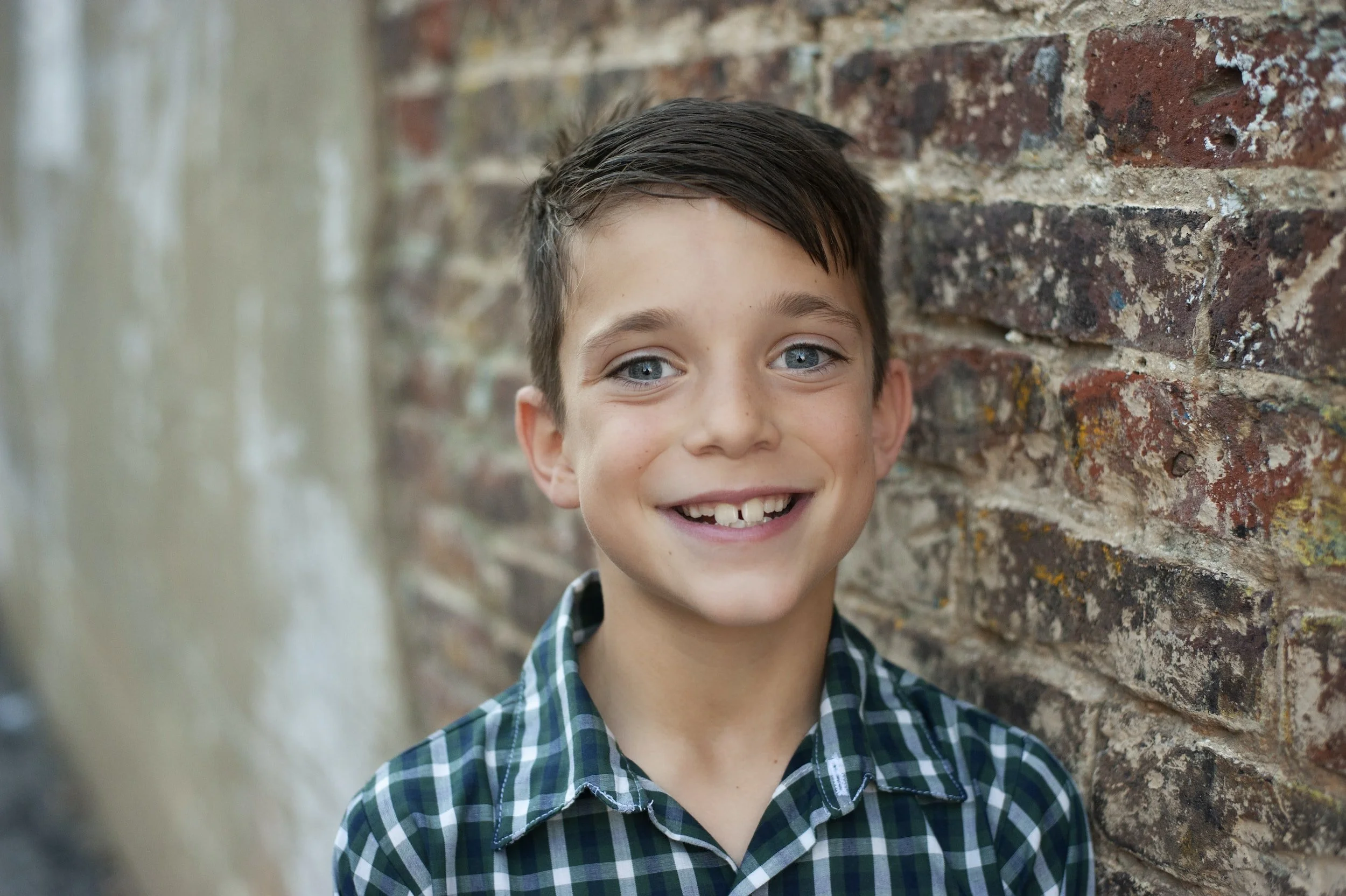

Audiology at Adelaide Paediatrics
Our specialised paediatric audiologists focus on the early identification of children’s hearing and ear health issues, along with the diagnosis and support for Auditory Processing Disorder (APD). Using the latest evidence-based technology infants, children and teens can have a full diagnostic hearing and processing check in an age-appropriate and fun way.
How does a Paediatric-Trained Audiologist help?
Paediatric-trained audiologists can help with:
The identification of children’s ear health issues/glue ear
Comprehensive Diagnostic hearing testing/assessment for children over the age of 6 months
Newborn hearing screening/ assessment for infants under 6 months
Full diagnostic testing and diagnosis for Auditory Processing Disorder
Fitting and support for children’s personal listening devices
Has your child had a hearing assessment completed within the last 12 months?
A ‘pass’ in the newborn hearing screening undertaken at birth does not rule out current hearing or ear health issues. Best-practice standards recommend that a child's hearing is screened before any diagnostic assessments (such as evaluations for autism, ADHD, learning difficulties or disorders) or an evaluation of their speech and language skills. This is because an underlying or missed hearing disorder (which is not uncommon in pre- and school-aged children) can influence or potentially change the outcome of these comprehensive evaluations, including:
Speech Pathology assessment or intervention
Psychoeducational assessments
ASD assessments
Auditory Processing Disorder (APD)
APD is a hearing problem that affects about 3%–5% of school-aged children and it makes it hard for them to know what people are saying.
Although the signs and symptoms of APD vary from child to child below are the most frequently reported symptoms:
Difficulty understanding speech, especially in the presence of background noise
Difficulty following multi-step directions that are presented verbally, without visual cues
Easily distracted by sounds
Difficulty paying attention and listening
Difficulty remembering what has been said
Difficulty reading, spelling, and/or writing when compared to their peers
Misunderstanding of jokes, idioms, and figurative language
Being fatigued at the end of a school day
APD can be correctly identified from 7 years of age and is diagnosed over 2 appointments and is presented as ‘listening games’ to ensure your child is comfortable. If your child is diagnosed with APD, our Audiologists will support and guide you to gain optimum outcomes for your child.
If you have concerned that your child may have APD, or would simply like to rule it out, please call our friendly team at Mile End on 7123 6147 and they will be able to assist you.
Book at Mile End or Morphett Vale
Expert children’s hearing tests are currently offered at our Mile End Supergym and Morphett Vale locations. Our specialised paediatric audiologists are here to help and ensure your child has optimum hearing to aid their overall development and learning.
If you would like to schedule a hearing screening, please speak to one of our friendly team members at Mile End 7123 6147 or Morphett Vale 7123 6163.
Phonak Roger Personal Listening System – Helping Children to Focus Better
Roger Focus II is a discreet, ear-level receiver designed to help children and teenagers across Australia hear speech more clearly in noisy environments. By significantly enhancing speech clarity in noisy environments and over distance, it helps users stay engaged and confident in classrooms and everyday situations. It is ideal for those with Auditory Processing Disorder (APD), Attention Deficit Hyperactivity Disorder (ADHD), Autistic Spectrum Disorder (ASD), and General Learning Difficulties who experience difficulty understanding speech in classrooms and everyday situations.
Using advanced Roger wireless technology, the personal listening system delivers the speaker’s voice directly to the listener’s ear - improving clarity at school, at home, and in social settings.
Improve Listening in Australian Classrooms
Background noise, distance from the teacher, and group discussions can make listening difficult for many students. The Roger personal listening system is widely used in Australian schools and learning support programs to:
Improve speech understanding in noisy classrooms
Support focus and participation in lessons
Reduce listening fatigue throughout the school day
Assist children who don’t benefit from traditional hearing aids
Key Benefits
Enhances speech clarity in noise (ideal for busy classrooms and playgrounds)
Designed for APD, ADHD, ASD or Generalised Learning Difficulties
Compatible with all Roger microphones and transmitters
Easy one-time pairing – simple for teachers, parents, and students
Lightweight and comfortable for all-day wear
Reliable performance in real-world Australian environments
How the Roger System Works
Roger Focus II pairs with a Roger microphone transmitter worn by a teacher, support worker, or parent. The system automatically adjusts to background noise, ensuring speech remains clear whether in a classroom, school assembly, or outdoor activity. This makes it an effective assistive listening device for school-aged children in Australia.
Who is Roger Focus II Suitable For?
Roger Focus II is commonly recommended by audiologists, hearing specialists, and educators across Australia for:
Students diagnosed with Auditory Processing Disorder (APD)
Children with Attention Deficit Hyperactivity Disorder (ADHD)
Children with Autism Spectrum Disorder (ASD) who struggle in noisy environments
Students needing additional learning and listening support
Compatible Roger Microphones
Roger Focus II works seamlessly with a range of Roger transmitters, including:
Teacher-worn microphones for classroom instruction
Table microphones for group learning
Personal microphones for home and one-on-one use
This flexibility makes it a leading remote microphone system in Australia for school and everyday communication.
Why Choose Roger Focus II?
Roger wireless technology goes beyond traditional FM systems by automatically adapting to changing noise levels and allowing multiple microphones to connect in a network. The result is clearer speech, better engagement, and improved confidence for children in real-world Australian environments.
The Roger personal listening system works by sending the teacher’s/talker’s voice directly into the child’s ear. This takes the child’s focus away from distracting noise and allows them to hear the speaker’s instructions clearly.
Evidence shows that children wearing a Roger Focus can improve their understanding of speech by up to 53% compared to those who don’t wear the technology.
Can we Trial a Roger Personal Listening System?
Contact Adelaide Paediatrics to loan a personal listening system so that you can assess the individual benefits for your child. A non-refundable administration fee of $50 is payable, and a complimentary appointment is offered to fit the device for your child’s ear and provide instructions for use.
How do we purchase the system?
Systems are available for purchase and full technical support through Adelaide Paediatrics. Please call Adelaide Paediatrics Mile End 7123 6147 or Morphett Vale 7123 6163 for the current purchase costs and potential funding options.
Meet Consulting Audiologists
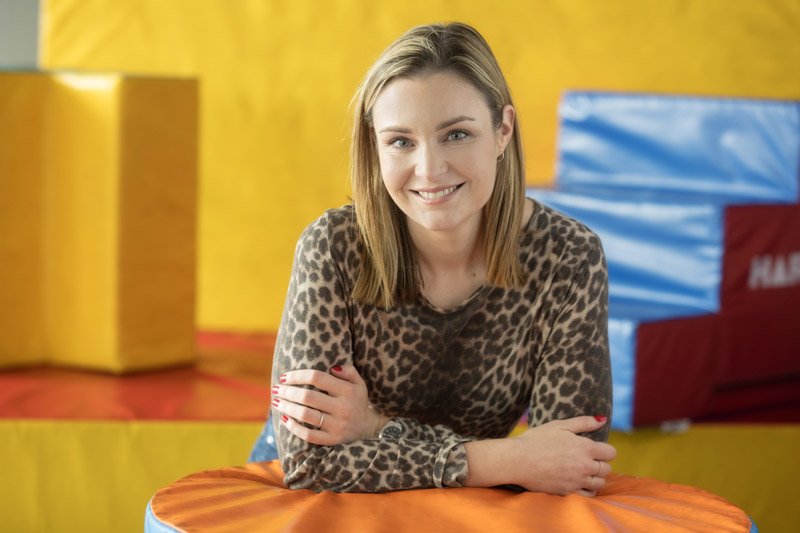
-
Staff Audiologist
Qualifications: B.Com, Dip. Lang, MAud, CCP
Chloe has been an Audiologist for almost 9 years. She gained her Master of Audiology from Flinders University, achieving the Academic Prize in Audiology.
Chloe was inspired to pursue Audiology during a trip to East Timor with a colleague who was providing hearing services to local communities. Her clinical experience includes working with children and adults in rehabilitative and diagnostic audiology including paediatric hearing and auditory processing disorder assessment, adult hearing and vestibular diagnostic assessment and adult hearing aid rehabilitation.
She has also participated in clinical supervision of university students during their clinical placements to facilitate positive learning experiences.
Chloe joins Adelaide Paediatrics with a passion for supporting children to achieve optimal health and wellbeing, providing hearing and Auditory Processing disorder assessments.
Make an appointment:
Adelaide Paediatrics Mile End
71 Henley Beach Road
Mile End SA 5031
T: 08 7123 6147Adelaide Paediatrics Morphett Vale
221-223 Main South Road
Morphett Vale SA 5162
T: 08 7123 6163 -
Staff Audiologist & Speech Pathologist
Qualifications: B.Sc (Hons) Aud, MSpPth, Cert LSLS AVT, MSPAA CPSP, AAudA (CAPA)Sharon completed her honours degree in Audiology at The University of Wales, Swansea and her master’s degree in Speech Pathology at Flinders University of South Australia. Subsequent training also led to Sharon gaining certification as a Listening and Spoken Language Specialist in Auditory Verbal Therapy.
Sharon’s passion for all things related to hearing and communication was sparked from a longstanding family history of congenital deafness, including 2 of her 3 sons.
Sharon has over 20 years’ experience in the hearing field and is very passionate about the early identification of hearing loss, middle ear issues, and Auditory Processing Disorder (APD). Sharon has worked in Adelaide at the Women’s and Children’s Hospital, Flinders Medical Centre, and within private practice.
Sharon has significant experience across the broad spectrum of paediatric hearing assessment and can identify if anything is impeding your child’s ear health, ability to hear sounds, or ability to process speech.
Helping children and families with: assessment of outer and middle ear health (from birth), cochlear function testing (from birth), full diagnostic hearing assessment (from 6 months), diagnosis of Auditory Processing Disorder (from 7 years), recommendation and fitting of listening devices for children, recommendation and installation of Soundfield Systems for classrooms, and recommendations for support following diagnosis of hearing loss or APD.
Make an appointment:
Adelaide Paediatrics Mile End
71 Henley Beach Road
Mile End SA 5031
T: 08 7123 6147Adelaide Paediatrics Morphett Vale
221-223 Main South Road
Morphett Vale SA 5162
T: 08 7123 6163
Make a booking
Independent Medical Specialists consulting in private practice at Adelaide Paediatrics triage incoming referrals and aim to accommodate urgent referrals as soon as possible, offering the earliest available appointment
with a paediatrician
-
Adelaide Paediatrics Ashford
Suite 28, Level 3 Ashford Specialist Centre
57-59 Anzac Highway
Ashford SA 5035T: 08 7123 6171
F: 08 7123 0821 -
Adelaide Paediatrics Bedford Park
Mark Oliphant Building
8/5 Laffer Drive
Bedford Park
SA 5042T: 08 7123 6149
F: 08 7123 0821 -
Adelaide Paediatrics Kensington Park
360 Magill Road
Kensington Park
SA 5068T: 08 7123 6176
F: 08 7123 0821 -
Adelaide Paediatrics Mile End
SuperGym Therapy & Rehab Centre
71 Henley Beach Road
Mile End SA 5031T: 08 7123 6147
F: 08 7123 0821 -
Adelaide Paediatrics Morphett Vale
221-223 Main South Road
Morphett Vale SA 5162T: 08 7123 6163
F: 08 7123 0821 -
Adelaide Paediatrics Mount Barker
2/50 Victoria Road
Mount Barker SA 5251T: 08 7123 6175
F: 08 7123 0821 -
Adelaide Paediatrics North Adelaide
Calvary Hospital
89 Strangways Terrace
North Adelaide SA 5006T: 08 7123 6173
F: 08 7123 0821